
Open Cultural Expression
Broader use may be appropriate while maintaining provenance, attribution or recognition.
ICRIP
Building practical infrastructure for provenance, consent, licensing and benefit-sharing in the AI and digital economy.
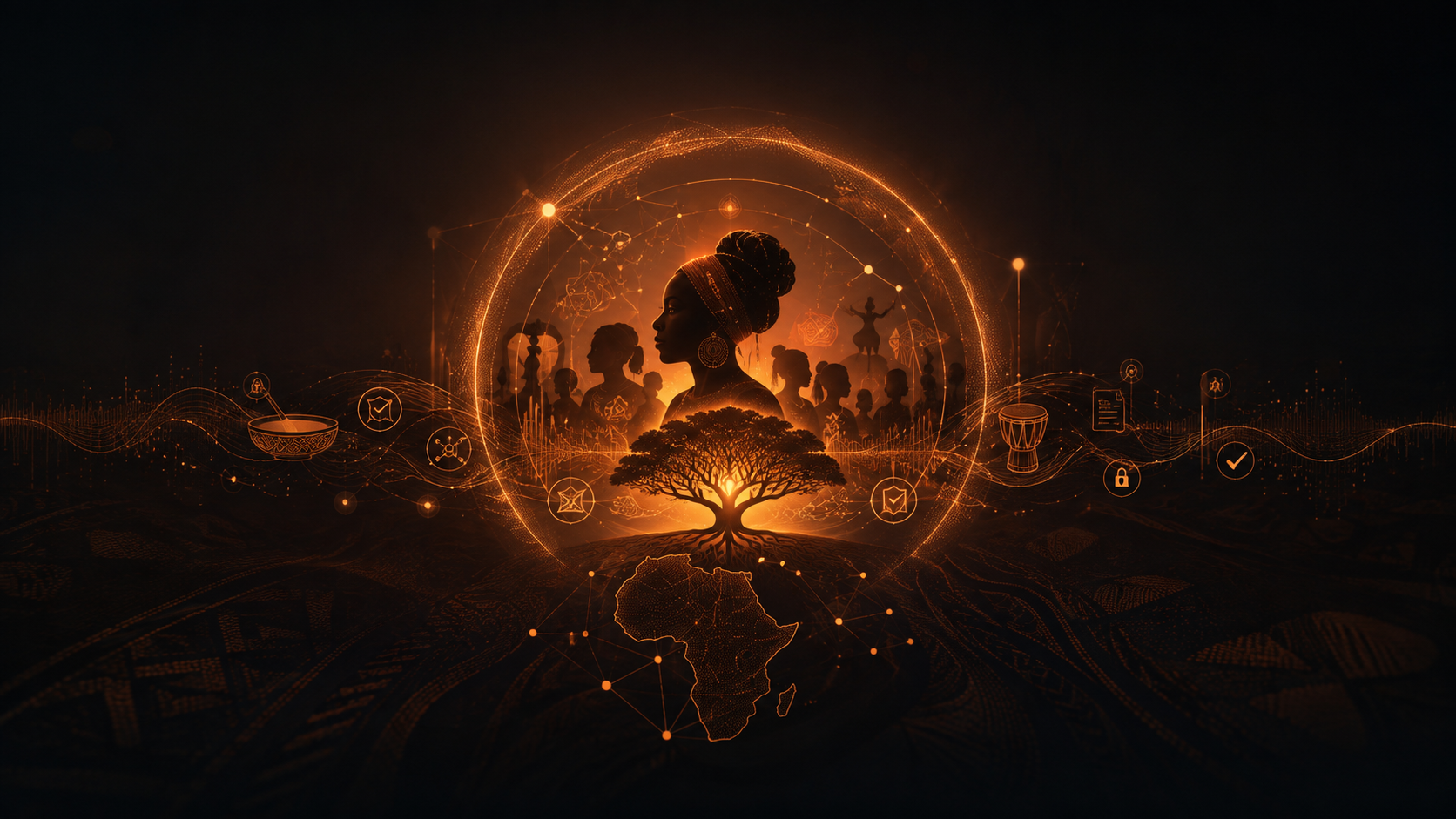
Culture should be discoverable without becoming extractable.
Why ICRIP exists
Conventional copyright frameworks often look for identifiable individual authors or rights-holders. Indigenous knowledge and traditional cultural expressions may instead be collectively developed, transmitted, preserved, inherited, practised or governed.
AI and large-scale digital systems add urgent questions about dataset use, provenance, attribution, cultural authority, consent, licensing, commercial exploitation, compensation, benefit-sharing and culturally sensitive material.
ICRIP is developing practical rights infrastructure to connect cultural communities, creators and rights-holders with creative industries, technology companies, AI developers, licensing systems and rights institutions.
ICRIP is building and exploring frameworks. It is not presented as a completed registry, fully operational licensing system or established global authority.
Conceptual rights architecture
ICRIP is exploring how provenance, authority and consent can form part of a traceable and auditable rights chain. Consent should not be reduced to a one-time checkbox.
Three programme pillars
Developing cultural-rights architecture around licensing, authority, representation, collective-rights questions, rights-holder participation and benefit-sharing.
Exploring responsible pathways for AI training and cultural datasets through consent, transparency, provenance and evidence of use.
Infrastructure being developed for provenance, cultural metadata, custodianship, authority, consent and licensing records.
African AI licensing pathway
ICRIP aims to contribute to a longer-term African cultural and AI licensing pathway: rights and commercial infrastructure that can support participation, evidence and benefit-sharing—not policy commentary alone.
Music as the anchor vertical
ICRIP begins from music because Indigenous Tunes already operates across global digital music distribution, publishing, licensing, rights administration, metadata, royalties, label operations and artist services.
ICRIP is not intended to remain limited to music. Potential broader scope may include oral traditions, Indigenous and traditional knowledge, language, performance, stories, heritage recordings, cultural expressions and other appropriate cultural and creative heritage.
Thought Leadership & Industry Dialogue
These questions form part of the wider issues ICRIP is being developed to explore. This reference does not imply endorsement of ICRIP by The Music Imbizo.
“Indigenous knowledge may be collectively held while copyright looks for an individual author. Which consent model could protect community interests without freezing a living tradition?”
An Indigenous Tunes Initiative